Initializing awesomeness...

Agentic AI Development Company

Build AI systems designed to understand goals, work through multi-step processes, interact with business tools, and assist with complex workflows.

PCUBE SOFTECHS provides Agentic AI development services for businesses looking to move beyond simple AI responses and build more capable AI-powered workflows. We develop intelligent assistants and agent-based solutions that combine Large Language Models (LLMs), Retrieval-Augmented Generation (RAG), business data, APIs, and workflow logic.

Whether you want to automate an internal process, build an intelligent knowledge assistant, connect AI with existing software, or develop a custom agent-based application, our team can help design and implement the solution around your business requirements.

Agentic AI is part of our broader AI development services, which include custom AI applications, RAG systems, Generative AI integrations and intelligent automation.
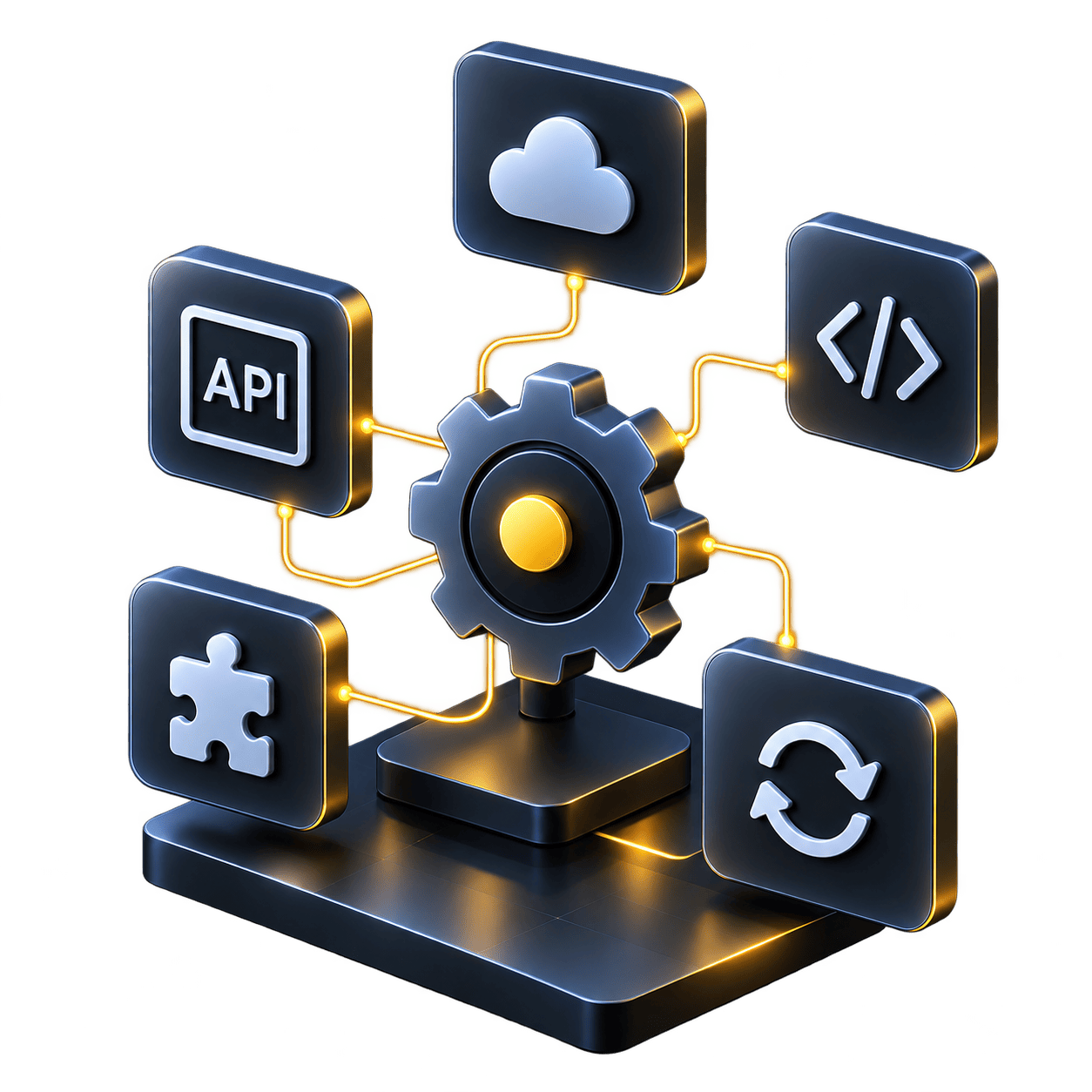
Autonomous & Guided Multi-Step Workflows
Controlled Tool & API Integrations
Human-in-the-Loop Oversight & Safety
15+ Years Software Development Experience
450+ Projects Delivered
12+ AI Projects & Implementations
25+ Developers & Professionals
Global Delivery India · USA · Canada · UAE · UK · Australia

What Is Agentic AI?

Agentic AI refers to AI systems designed to work toward a defined goal by combining language models with tools, data, application logic, and multi-step workflows.

Unlike a basic chatbot that primarily responds to individual prompts, an agentic AI system can be designed to retrieve information, determine the next appropriate step, interact with APIs or business applications, process results, and continue through a workflow while following defined rules and permissions.

For example, an AI-powered business workflow could receive a customer request, retrieve relevant information from company documents, query an existing application through an API, prepare a response or recommended action, and send sensitive decisions to a human for approval.

Controlled Autonomy & Safety First

The appropriate level of autonomy depends on the use case. For business-critical workflows, we favor controlled architectures with defined permissions, validation, logging, and human oversight where required.

ARCHITECTURE & WORKFLOW

The Agentic Execution Loop

Goal Defined

User or event defines task objective

Retrieve Context (RAG)

Fetches business knowledge & records

Determine Next Action

Model reasons through process logic

Tool / API Execution

Queries database, CRM, ERP, or API

Evaluate Results

Validates output against permissions

Human Approval (When Required)

Sensitive actions await human sign-off

Production Action

Workflow advances safely to completion

Controlled Permissions

We can implement scoped permissions, controlled API access and workflow boundaries based on application requirements.

Audit Trails & Logging

Agentic systems can be designed to log prompts, tool invocations, API interactions and workflow events for monitoring and accountability.

Human Oversight Gates

High-impact steps (transactions, data changes, external sends) pause for human review and sign-off.

Our Agentic AI Development Services

We design, build, and deploy agentic AI systems that connect language models to application logic, enterprise data, software APIs, and governed business workflows.

01

Custom AI Agent Development

Build AI agents around specific business tasks and workflows. We combine LLM capabilities with application logic, business data, APIs, and existing software to create agents designed for practical business use.

  • Task-Specific Logic
  • LLM & Model Orchestration
  • Business Data Grounding
02

Agentic Workflow Automation

Automate multi-step processes where AI needs to interpret information, determine an appropriate next action, interact with connected systems, and move a workflow forward according to defined business rules.

  • Multi-Step Orchestration
  • Dynamic Routing Logic
  • Exception Handling
03

RAG-Powered AI Agents

Connect AI agents with company documents and knowledge sources using Retrieval-Augmented Generation. This enables agents to retrieve relevant business information before generating responses or assisting with decisions.

  • Vector Knowledge Stores
  • Context-Aware Retrieval
  • Enterprise Document Search
04

AI Tool & API Integration

Enable AI-powered applications to interact with existing business systems through APIs and controlled integrations. This can include internal applications, databases, CRM or ERP workflows, communication systems, and other business tools where technically supported.

  • CRM & ERP Connectors
  • Database Queries & Sync
  • Secure REST & GraphQL APIs
05

Human-in-the-Loop AI Systems

Design workflows where AI handles repetitive analysis and preparation while important actions remain subject to human review or approval. This approach is useful when accuracy, accountability, or business risk requires additional control.

  • Review & Approval Gates
  • Action Verification Prompts
  • Governance & Risk Mitigation
06

Enterprise AI Assistants

Develop intelligent assistants for internal knowledge access, document processing, operational support, customer-service workflows, and other business functions using company-specific information and application integrations.

  • Internal Knowledge Engines
  • Operational Co-Pilots
  • Secure Role-Based Access

Agentic AI Solutions We Build

Agentic AI can support business processes that require more than a single prompt and response. We design agent-based solutions around defined objectives, business data, connected systems, workflow rules, and appropriate human oversight.

01

Customer Support AI Agents

Build AI-powered support workflows that can understand customer requests, retrieve information from approved knowledge sources, prepare contextual responses, and route complex or sensitive cases to human support teams.

Potential capabilities:
  • Knowledge retrieval
  • Ticket classification
  • Response assistance
  • Escalation workflows
  • API integration
02

Internal Knowledge Agents

Give employees a conversational way to work with company documents, policies, product information, manuals, and other approved knowledge sources.

Using RAG-based retrieval, the system can locate relevant information before generating a contextual response.

Potential capabilities:
  • Document Q&A
  • RAG
  • Enterprise search
  • Knowledge retrieval
  • Role-based access
03

Document Processing Agents

Build AI-assisted workflows for extracting, understanding, organizing, and processing information from business documents.

The agent can help identify relevant information, structure extracted data, validate required fields, and move documents through defined workflows with human review where appropriate.

Potential capabilities:
  • Document processing
  • Information extraction
  • Classification
  • Validation workflows
  • Human approval
04

Sales & Lead Assistance Agents

Support sales teams with AI-powered workflows for organizing lead information, researching available business context, preparing follow-up content, and assisting with CRM-related processes through controlled integrations.

Potential capabilities:
  • Lead enrichment
  • Research assistance
  • Follow-up preparation
  • CRM integration
  • Workflow automation
05

Business Workflow Agents

Develop agent-based systems around repetitive multi-step business processes that require information retrieval, decision logic, API interaction, and workflow coordination.

These systems can assist employees with operational processes while keeping important actions within defined business rules and approval boundaries.

Potential capabilities:
  • Multi-step workflows
  • Business rules
  • API actions
  • Data retrieval
  • Approval gates
06

AI Content & Marketing Workflows

Build controlled AI workflows that assist teams with content research, generation, organization, review, and publishing preparation.

Instead of relying on isolated prompts, agent-based workflows can combine AI generation with structured data, application logic, and human approval.

Potential capabilities:
  • Content assistance
  • Research
  • Structured workflows
  • Approval processes
  • API integration

How We Build Agentic AI Systems

A reliable agentic AI solution requires more than connecting an application to a language model. We combine AI models with business context, application logic, integrations, workflow controls, and monitoring based on the requirements of each system.

1

LLM / AI Model

Provides language understanding, generation, and model-driven processing using platforms such as OpenAI, Google Gemini, or Claude.

2

Business Context & RAG

Connects the system with relevant documents and approved business knowledge so responses and actions can use organization-specific information.

3

Application Logic

Defines workflow rules, permissions, validation requirements, and the actions available to the agent.

4

Tools & APIs

Connects the AI workflow with existing applications, databases, APIs, and other business systems where required.

5

Human Oversight

Introduces review and approval steps for actions where accuracy, accountability, or business risk requires human involvement.

6

Monitoring & Improvement

Tracks system behavior and workflow outcomes so prompts, retrieval, application logic, and integrations can be evaluated and improved over time.

Our Agentic AI Development Process

From use-case exploration and workflow architecture to deployment and ongoing optimization, we follow a structured engineering process designed for reliability and control.

Phase 01

Architecture, Boundaries & Sandbox Validation

Steps 01 – 04
01

Use-Case Discovery

We begin by understanding the business process, users, available data, existing software, and the outcome you want the AI system to support.

02

Workflow & Autonomy Design

We map the steps the system should handle, identify where AI is appropriate, define available actions, and determine where human review should remain part of the workflow.

03

Data & Integration Assessment

Our team reviews the documents, databases, APIs, and applications the solution may need to access and defines appropriate integration boundaries.

04

Prototype & Validation

For suitable projects, we build a focused proof of concept to validate the workflow, model behavior, retrieval quality, and technical feasibility before expanding the solution.

Phase 02

Production Engineering, Guardrails & Deployment

Steps 05 – 08
05

Development & Integration

We develop the application logic, AI components, RAG functionality, APIs, user interfaces, and integrations required for the production solution.

06

Testing & Guardrails

The system is tested against expected workflows, edge cases, permissions, retrieval behavior, and failure scenarios. Human approval points and other controls are implemented where required.

07

Deployment

We deploy the solution into the agreed cloud, server, or application environment and connect it with the required production systems.

08

Monitoring & Optimization

After deployment, the system can be evaluated using real-world usage and workflow outcomes so retrieval, prompts, integrations, and application logic can continue to improve.

Our Controlled Autonomy Guarantee

Every agentic AI system is engineered with scoped tool roles, permission boundaries, comprehensive audit logging, and human sign-off checkpoints before production deployment.

AI Solutions Built for Real-World Impact

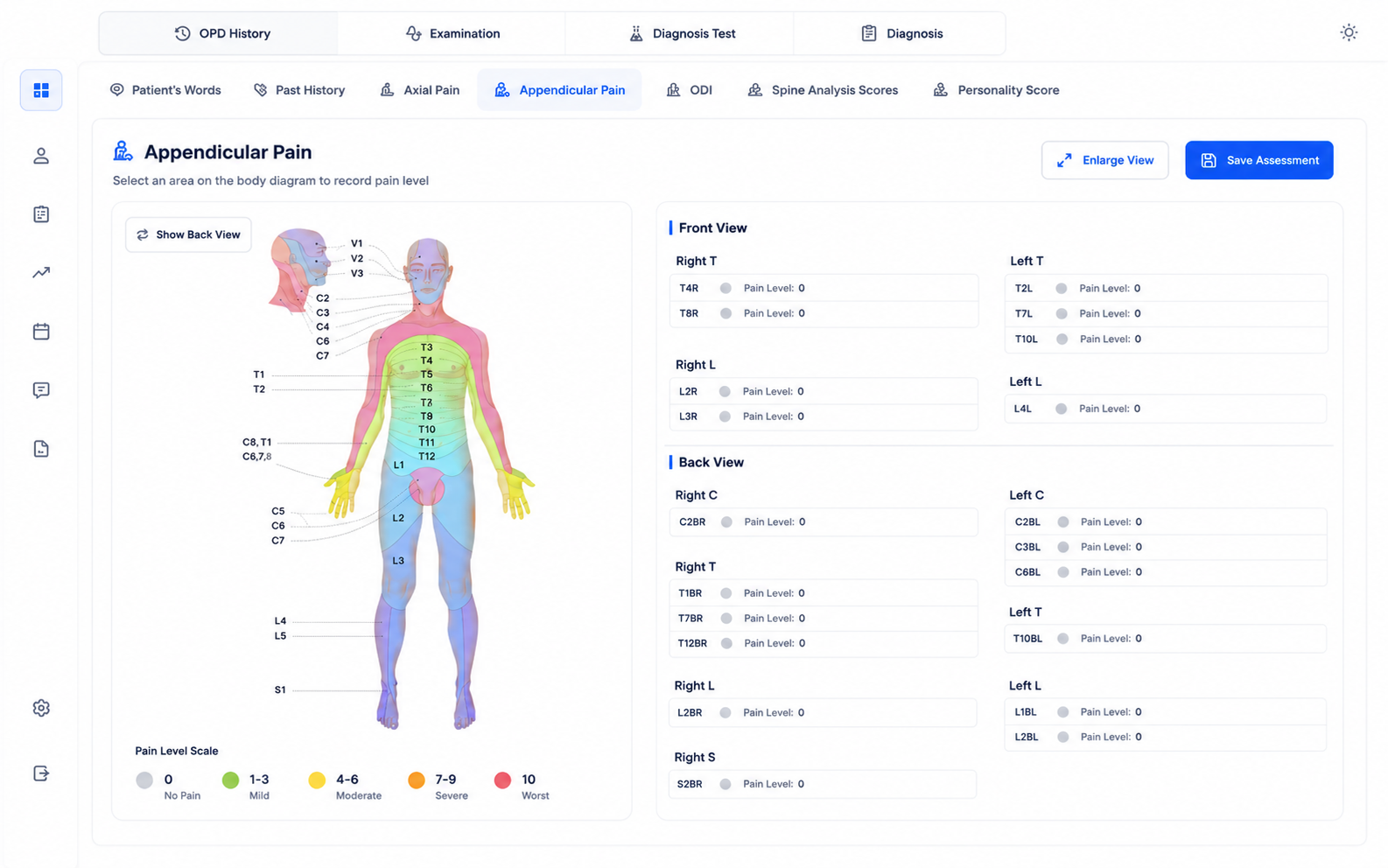
Pain Assessment Software.

Hospital

Ai Solution

Pain Assessment Software.

A digital clinical assessment system designed to help orthopedic professionals evaluate pain, spinal regions, neurological involvement, and patient assessment scores.

Faster Assessments Pain Mapping Clinical Scoring
Visit Website
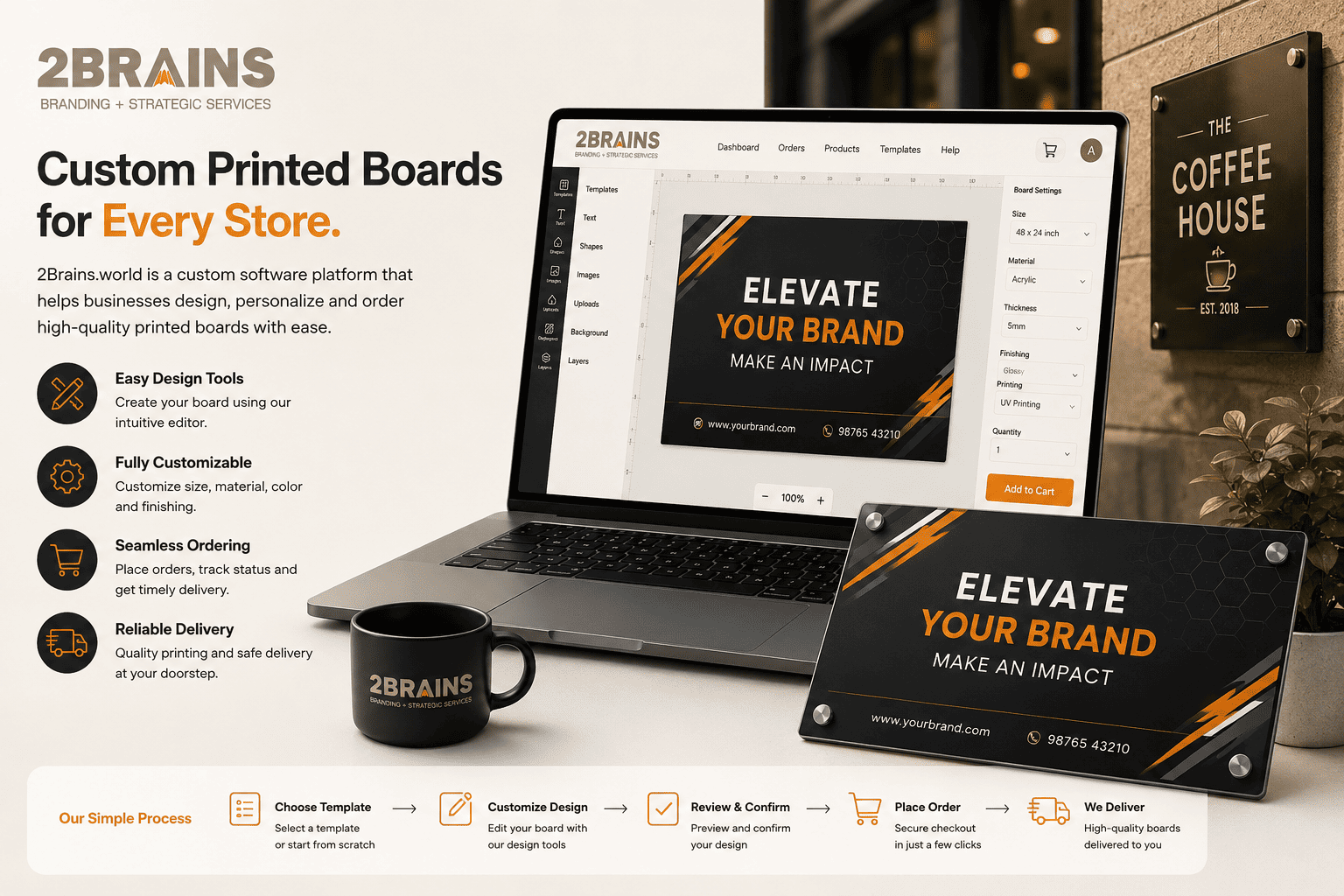
Custom Printed Board Software

Printing & Signage

Ai Solution

Custom Printed Board Software

A custom printing platform enabling businesses to design, personalize, order, and manage high-quality signage and branding materials with ease.

+ 45% Order Speed 100% Customized High-Res Printing
Visit Website
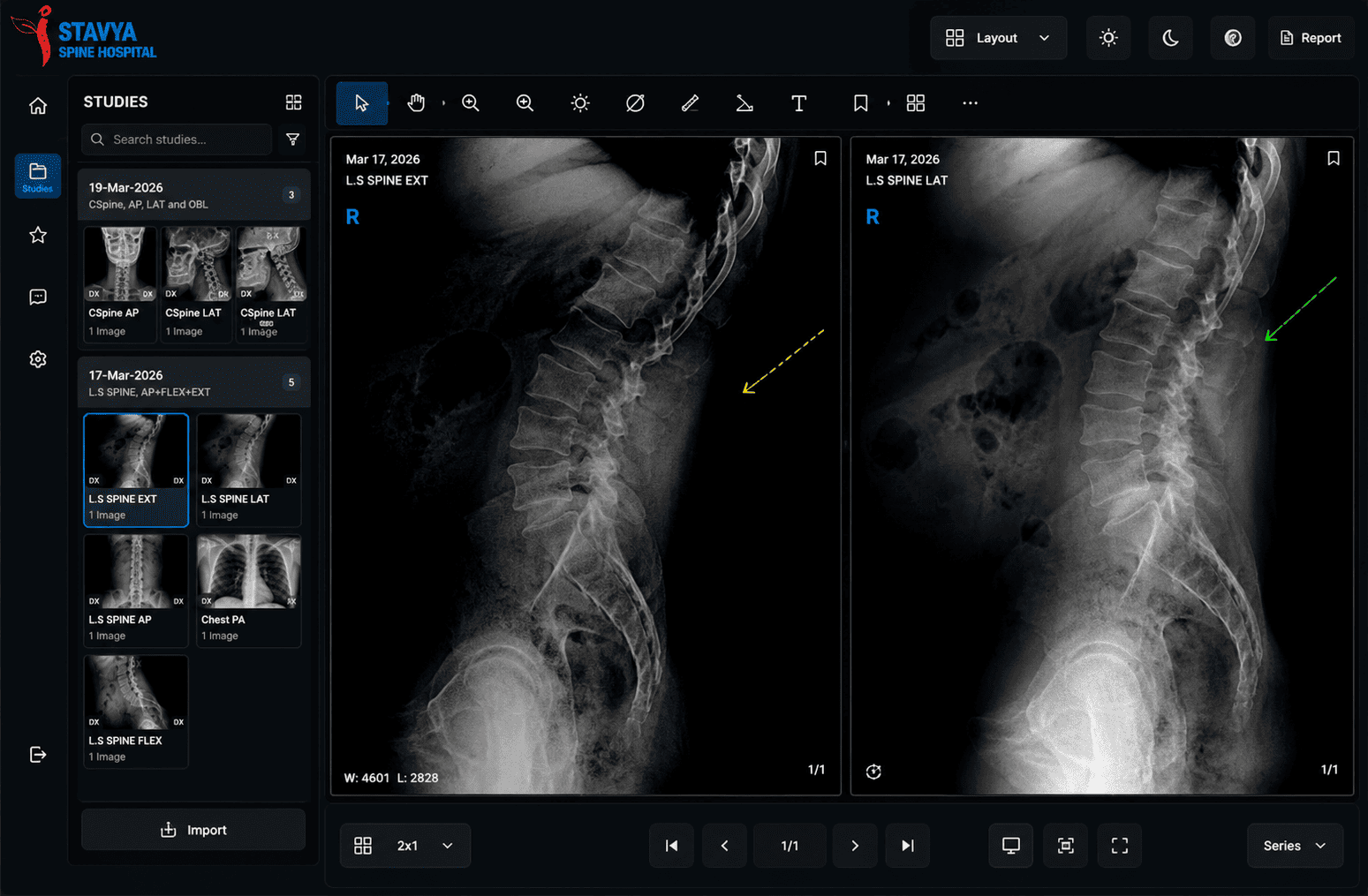
AI-Powered Radiology Imaging Platform

Healthcare & AI

AI RADIOLOGY PLATFORM

AI-Powered Radiology Imaging Platform

An advanced medical imaging platform for viewing, analyzing, and managing diagnostic studies with AI-assisted visualization and clinical imaging workflows.

AI-Assisted Analysis DICOM Imaging Clinical Workflow
Visit Website

Agentic AI vs. Traditional Automation

Traditional automation follows hard-coded scripts that break when conditions change. Agentic AI evaluates objectives, understands unstructured data, interacts with tools dynamically, and adapts to complex workflows.

Task Execution

Traditional Automation

Pre-programmed, step-by-step linear scripts. Breaks when encountering unexpected inputs or layout variations.

Agentic AI System

Goal-oriented reasoning. Plans dynamic actions, evaluates intermediary results, and determines next steps autonomously.

Data & Information Handling

Traditional Automation

Strictly formatted inputs and fixed database schemas. Incapable of parsing ambiguous language or context.

Agentic AI System

Interprets unstructured documents, business communication, vector knowledge (RAG), and multi-modal records.

Decision-Making & Routing

Traditional Automation

Fixed if-else logic trees. Any edge case outside defined rules triggers a hard failure.

Agentic AI System

Semantic understanding and model-driven routing that handles edge cases within defined business rules.

Exception & Error Handling

Traditional Automation

Hard stops and error logs requiring manual developer intervention and script adjustments.

Agentic AI System

Autonomous retry logic, alternative tool discovery, and smart escalation to human oversight when needed.

Human Oversight & Safety

Traditional Automation

All-or-nothing execution with little visibility into contextual intent.

Agentic AI System

Governed autonomy with scoped permissions, role-based tool access, full audit logging, and human sign-off gates.

Engineering-First Agentic AI Development

Building reliable agentic systems requires sound software engineering, not just prompt wrappers. With 15+ years of software experience, we build secure, maintainable, and governed AI solutions that integrate seamlessly into your business operations.

01

15+ Years of Software Engineering

AI built on proven development practices.

Our AI solutions are backed by more than 15 years of experience building and integrating software for businesses across diverse industries.

02

Controlled Autonomy & Safety First

Strict boundaries for real-world reliability.

We build scoped API access, role-based boundaries, detailed audit logging, and human approval gates so you remain in complete control.

03

Built Around Your Existing Systems

AI that fits into your technology ecosystem.

We connect AI workflows with your existing applications, APIs, databases, CRM/ERP platforms, and software tools without unnecessary rebuilds.

04

From Prototype to Production

One team from idea to deployment.

We guide your agentic initiative from initial use-case discovery and proof of concept to full-scale development, testing, and production deployment.

05

Flexible AI Technology Stack

The right model and architecture for the job.

We work with leading platforms including OpenAI, Google Gemini, Claude, open-source local LLMs, Python, FastAPI, and vector databases.

06

Global Delivery & Ongoing Optimization

Continuous support across international markets.

Our engineering team works with businesses across India, USA, Canada, UAE, UK, and Australia, providing ongoing performance monitoring and optimization.

Questions About Agentic AI Development

Common questions businesses have when evaluating agentic AI, workflow architecture, and enterprise integration.

A traditional chatbot primarily responds to isolated prompts with textual answers. An AI agent is goal-oriented: it can break a complex request into steps, retrieve business context via RAG, query external software tools and APIs, process intermediate outputs, and advance multi-step workflows with human oversight where appropriate.

We engineer strict enterprise guardrails. These include scoped API permissions (such as read-only access where writes are unnecessary), input/output validation, detailed audit logging of prompts and tool payloads, and mandatory human-in-the-loop review gates for high-impact actions like database updates or financial transactions.

Yes. Where technically supported by your systems, we build secure integrations that allow AI agents to communicate with internal REST or GraphQL APIs, query relational databases, sync with CRMs (e.g., Salesforce, HubSpot), ERP platforms, ticketing systems, and team collaboration tools.

We select models based on performance, latency, privacy, and cost requirements—leveraging OpenAI GPT-4o, Google Gemini, Anthropic Claude, or privately hosted open models via Ollama or vLLM. Our backends are built using modern Python frameworks, FastAPI, LangGraph, vector databases, and enterprise API protocols.

For suitable projects, we recommend starting with a focused 2- to 4-week proof of concept. This allows us to validate the core workflow, retrieval precision, model reasoning, and system integrations with real business data before committing to full-scale production architecture.

Human oversight gates are placed at critical milestones in the workflow. The AI agent performs data retrieval, document processing, synthesis, and action preparation autonomously, then pauses and surfaces structured sign-off prompts to authorized team members before executing final production actions.

START YOUR AGENTIC AI JOURNEY

Ready to Build Intelligent Agentic Workflows for Your Business?

Whether you want to automate complex business processes, build custom knowledge agents, or connect AI with your existing software ecosystem, our engineering team is ready to help.